Expert Tips for Perfecting Paint Correction Techniques
Updated: Aug 27, 2025
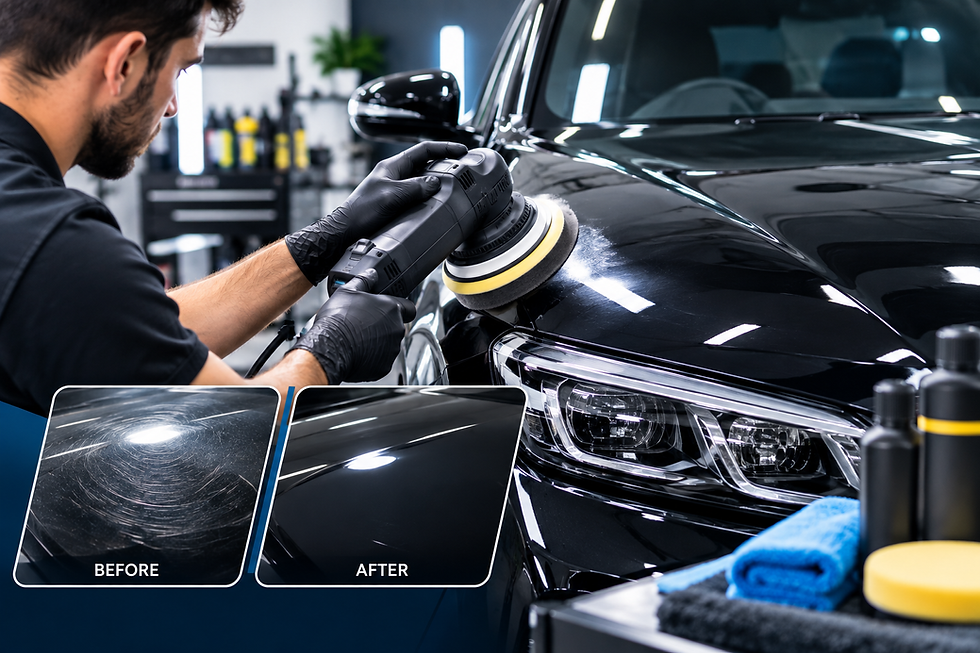
When it comes to car detailing, paint correction is one of the most satisfying processes. It transforms a dull, scratched surface into a glossy, mirror-like finish. If you have ever admired a car's shine and wondered how to achieve that look, you are in the right place.
In this blog post, we will explore expert tips for perfecting paint correction techniques. Whether you are a beginner or have some experience, these tips will help you elevate your skills.
Understanding Paint Correction
Before diving into techniques, it is essential to understand what paint correction is. Paint correction is the process of removing imperfections from a vehicle's paint surface. This includes scratches, swirl marks, and oxidation.
The goal is to restore the paint to its original condition. This process can be done using various tools and products, which we will discuss later.
Tools You Will Need
To get started with paint correction, you will need the right tools. Here is a list of essential items:
Dual Action Polisher: This tool is crucial for effective paint correction. It helps to evenly distribute polish and minimize the risk of burning the paint.
Polishing Pads: Different pads serve different purposes. Use a cutting pad for heavy imperfections and a finishing pad for lighter corrections.
Polish: Choose a polish that suits your needs. There are various types, including cutting, polishing, and finishing polishes.
Microfiber Towels: These are essential for wiping off polish and ensuring a clean surface.
Masking Tape: Use this to protect areas you do not want to polish, such as trim and rubber seals.
Having the right tools will make the process smoother and more effective.
Preparing the Surface
Preparation is key to successful paint correction. Follow these steps to prepare your vehicle:
Wash the Car: Start with a thorough wash to remove dirt and grime. Use a pH-neutral car shampoo to avoid damaging the paint.
Decontaminate the Surface: Use a clay bar to remove embedded contaminants. This step is crucial for achieving a smooth surface.
Inspect the Paint: After washing and decontaminating, inspect the paint under good lighting. Look for scratches, swirls, and other imperfections.
Tape Off Sensitive Areas: Use masking tape to protect areas that you do not want to polish. This includes plastic trim and rubber seals.
Taking the time to prepare the surface will ensure better results during the correction process.
Choosing the Right Technique
There are several techniques for paint correction, and the right one depends on the condition of your paint. Here are some common methods:
1. Two-Step Correction
This method involves two stages: cutting and polishing.
Cutting: Use a cutting pad and a heavy-cut polish to remove deep scratches and imperfections. Work in small sections and use moderate pressure.
Polishing: Switch to a polishing pad and a finer polish to refine the surface. This step enhances the gloss and clarity of the paint.
2. One-Step Correction
If your paint is in relatively good condition, a one-step correction may be sufficient.
Use a medium-cut polish and a polishing pad. This method is quicker and ideal for maintaining a good finish.
3. Spot Correction
For minor imperfections, spot correction is effective.
Use a small pad and a cutting polish to target specific areas. This method is less time-consuming and can be done as needed.
Choosing the right technique will depend on the level of correction required.
The Polishing Process
Now that you have chosen your technique, it is time to polish. Follow these steps for effective polishing:
Apply Polish: Start by applying a small amount of polish to the pad.
Spread the Polish: Before turning on the polisher, spread the polish over the section you will be working on. This helps to avoid splatter.
Start Polishing: Turn on the polisher at a low speed to begin. Gradually increase the speed as you work.
Work in Sections: Focus on one section at a time. Use overlapping passes to ensure even coverage.
Check Your Progress: After a few passes, wipe off the polish with a microfiber towel and inspect the area.
Repeat as Necessary: If imperfections remain, repeat the process until you achieve the desired result.
Polishing can be time-consuming, but patience is key to achieving a flawless finish.
Finishing Touches
Once you have completed the paint correction, it is time for the finishing touches.
Final Wipe Down: Use a clean microfiber towel to wipe down the entire vehicle. This removes any remaining polish residue.
Apply a Sealant or Wax: Protect your hard work by applying a sealant or wax. This adds a layer of protection and enhances the shine.
Regular Maintenance: To keep your paint looking great, wash your car regularly and consider using a quick detailer for touch-ups.
These finishing touches will help maintain the results of your paint correction for a longer time.
Common Mistakes to Avoid
Even experienced detailers can make mistakes during paint correction. Here are some common pitfalls to avoid:
Using Too Much Pressure: Applying too much pressure can damage the paint. Let the polisher do the work.
Not Inspecting the Paint: Failing to inspect the paint before starting can lead to missed imperfections.
Skipping the Decontamination Step: Neglecting to decontaminate can result in a rough finish.
Using the Wrong Products: Always choose products that are suitable for your paint type and condition.
By being aware of these common mistakes, you can improve your paint correction process.
Conclusion: Shine On!
Perfecting paint correction techniques takes practice and patience. By following these expert tips, you can achieve stunning results that will make your vehicle stand out.
Remember to invest in the right tools, prepare your surface properly, and choose the right technique for your needs. With time and experience, you will become more confident in your skills.
So, grab your polisher and get ready to transform your vehicle's paint. Shine on!



Comments