Professional Paint Correction in Springfield | Car Detailing in Burke - VA
How Is the Right Level of Paint Correction in Virginia Determined for Your Car?
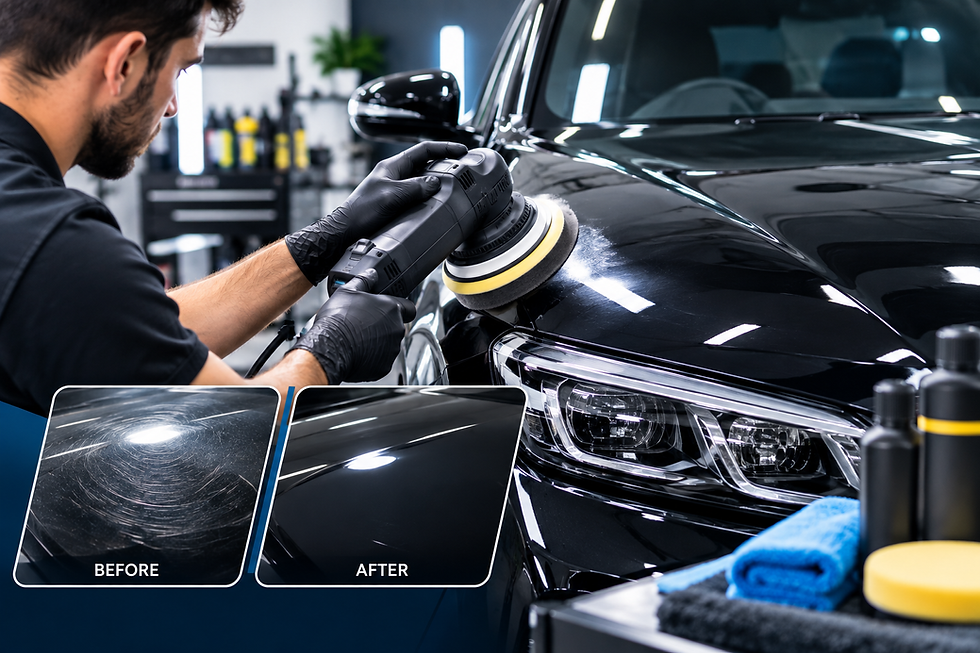
Swirl marks, water spots, micro-scratches, and etching can all affect the way a vehicle's paint should be treated. Paint correction Springfield is selected according to the condition of the finish and the amount of correction it needs. Single-stage, two-stage, and multi-stage options provide different levels of polishing for different paint conditions.
How Is the Paint Correction Level Determined?
The correction level depends on the type and severity of the paint defects. The main options are:
● Single-stage correction for lighter imperfections
● Two-stage correction for more noticeable defects
● Multi-stage correction for more extensive paint correction
The vehicle's paint condition determines which level is appropriate. This keeps the correction process focused on the actual condition of the finish.
What Paint Defects Affect the Correction Process?
Different paint defects can require different levels of correction. Common concerns include:
● Swirl marks
● Micro-scratches
● Water spots
● Bird-dropping etching
● Holograms
● Oxidation
Lighter surface marks can require fewer polishing stages, while more noticeable defects can require additional correction. Paint correction in Springfield is selected after assessing the vehicle's paint condition.
Why Does Paint Decontamination Come First?
Paint needs to be clean and free from surface contamination before correction begins. The preparation process can include:
● Hand washing and drying
● Tar and bug removal
● Clay-bar treatment
● Iron-remover spray
● Tire, rim, and wheel-well cleaning
● Tire and trim dressing
● Door and trunk-jamb cleaning
● Cleaning around logos and the gas-cap area
● Window and mirror cleaning
What Does a Clay Bar Do?
A clay bar is an engineered resin compound used to remove contaminants attached to the paint surface. Iron-remover spray addresses iron contamination. Together, these preparation steps create a cleaner surface for polishing.
What Happens During Single-Stage Correction?
Single-stage correction is suited to paint with lighter imperfections. An abrasive polish is applied with an appropriate polishing machine to refine the surface and improve its appearance.
This is more focused than the light machine polishing included with a regular exterior detail. The correction level is selected according to the condition of the paint rather than using the same process for every vehicle.
When Is Two-Stage Correction Appropriate?
Two-stage correction provides additional polishing for paint with more noticeable imperfections. It can be suited to vehicles with visible swirl marks, micro-scratches, water spots, or similar defects.
The additional stage allows the surface to go through further correction and refinement. The condition of the paint determines whether this level is needed.
When Is Multi-Stage Correction Needed?
Multi-stage correction is used when the paint has more extensive imperfections that require additional polishing and refinement.
The process removes a small amount of clear coat or paint to level the surface. The focus is on improving the specific defects that can be addressed through correction while maintaining the condition of the remaining paint.
How Do Swirl Marks and Water Spots Affect Correction?
The type of defect matters because different paint concerns can require different levels of polishing.
For example:
● Swirl marks can result from improper washing methods.
● Micro-scratches can develop through contact with the paint.
● Water spots can leave mineral deposits or marks on the surface.
● Bird droppings can etch the paint when left on the finish.
● Holograms can appear as visible patterns from previous polishing.
These conditions are considered when determining the appropriate correction stage.
How Is Light Polishing Different From Paint Correction?
A light machine polish can refresh the paint and bring out more gloss during a regular exterior detail. Paint correction takes a more focused approach to visible imperfections.
The correction process uses abrasive polishes and appropriate polishing machines to level the surface. For drivers considering detailing in Alexandria, VA, understanding the difference between routine polishing and paint correction can make it easier to choose the right service for the vehicle's condition.
How Do Vehicle Size and Paint Condition Affect the Service?
The amount of correction required varies from one vehicle to another. Vehicle size, paint condition, and the number of correction stages all affect the service and final pricing.
A larger vehicle with more noticeable defects can require more polishing than a smaller vehicle with lighter imperfections. An assessment of the paint helps determine the appropriate correction level before the service begins.
Why Is Paint Correction Performed at the Springfield Location?
Paint correction is performed at the Springfield location. The vehicle goes through detailed cleaning and paint preparation before abrasive polishing begins.
The process is focused specifically on the condition of the painted surfaces. Paint correction in Springfield can address concerns such as swirl marks, water spots, micro-scratches, holograms, and oxidation through the appropriate level of correction.
How Can You Maintain the Paint After Correction?
Paint correction addresses the condition of the finish at the time of service. Proper care afterward can help maintain that finish.
Regular exterior care can include:
● Gentle hand washing
● Proper microfiber towels
● Routine removal of dirt and contaminants
● Regular exterior detailing
● Appropriate paint protection
For drivers using car detailing in Burke, VA, regular cleaning can remove dust, pollen, tree sap, road grime, and other surface contaminants before they build up on the paint.
Final Thoughts
The right paint correction level depends on the vehicle's paint condition, the type of defects present, and the amount of polishing required. Single-stage, two-stage, and multi-stage correction provide different levels of paint refinement, with detailed cleaning and decontamination completed before polishing.
For drivers considering detailing in Alexandria, VA, routine exterior care can keep the vehicle clean between more focused paint services. When visible paint imperfections require correction, the Springfield location provides the setting for detailed paint preparation and polishing.
FAQ
How Is the Right Level of Paint Correction in Virginia Determined for Your Car?
The right correction level depends on the vehicle’s paint condition, the type of defects present, and how much polishing is required. Single-stage, two-stage, and multi-stage correction provide different levels of paint refinement.
What Paint Defects Can Affect the Correction Process?
Common paint defects include swirl marks, micro-scratches, water spots, bird-dropping etching, holograms, and oxidation. The severity of these imperfections helps determine the appropriate correction level.
What Is Single-Stage Paint Correction?
Single-stage correction is generally suited to paint with lighter imperfections. An abrasive polish and appropriate polishing machine are used to refine the surface and improve its overall appearance.
When Is Two-Stage Paint Correction Appropriate?
Two-stage correction may be appropriate when a vehicle has more noticeable imperfections, such as visible swirl marks, micro-scratches, or water spots. An additional polishing stage allows for further correction and refinement.
When Is Multi-Stage Paint Correction Needed?
Multi-stage correction is used when paint has more extensive imperfections requiring additional polishing and refinement. The process focuses on improving defects while maintaining as much of the remaining clear coat or paint as possible.
Why Is Paint Decontamination Important Before Correction?
Decontamination helps create a clean surface before polishing begins. Preparation can include hand washing, drying, tar and bug removal, clay-bar treatment, iron-remover spray, and detailed cleaning of wheels, tires, trim, windows, mirrors, and other areas.
What Does a Clay Bar Do During Paint Preparation?
A clay bar removes contaminants that are attached to the paint surface. Combined with an iron-remover spray, clay treatment helps prepare the finish for the polishing process.
How Do Swirl Marks and Water Spots Affect Paint Correction?
Swirl marks, water spots, micro-scratches, bird-dropping etching, and holograms can each require different levels of polishing. Their severity and condition are considered when selecting the appropriate paint correction stage.
How Is Light Polishing Different From Paint Correction?
Light machine polishing can refresh the finish and enhance gloss during a regular exterior detail. Paint correction takes a more focused approach by using abrasive polishes and polishing machines to address visible imperfections.
Does Vehicle Size Affect Paint Correction?
Yes. Vehicle size, paint condition, and the number of correction stages can affect the amount of work required. A larger vehicle with more noticeable defects may require more polishing than a smaller vehicle with lighter imperfections.
Where Is Paint Correction Performed?
Paint correction is performed at the Springfield location, where the vehicle undergoes detailed cleaning and paint preparation before abrasive polishing begins.
How Can You Maintain Your Paint After Correction?
Gentle hand washing, proper microfiber towels, regular removal of contaminants, exterior detailing, and appropriate paint protection can help maintain the finish after correction. Regular car detailing in Burke, VA can also help remove dust, pollen, tree sap, and road grime before they build up.
How Can Professional Paint Correction Improve Your Vehicle’s Finish?
Professional paint correction in Springfield focuses on the specific condition of the vehicle’s paint. Depending on the defects present, the appropriate correction stage can help refine the finish and improve its overall appearance.


Comments