Ultimate Guide to Ceramic Coating for Cars
When it comes to protecting your car's paint, ceramic coating is a game changer. This innovative solution offers a durable layer of protection that can keep your vehicle looking new for years. If you are a car enthusiast or simply want to maintain your vehicle's appearance, understanding ceramic coating is essential. In this ultimate guide, we will explore what ceramic coating is, its benefits, the application process, and maintenance tips.
What is Ceramic Coating?
Ceramic coating is a liquid polymer that chemically bonds with your car's factory paint. Unlike traditional wax or sealants, which sit on top of the paint, ceramic coating forms a strong bond that provides long-lasting protection.
This coating is made from silicon dioxide (SiO2), which is derived from natural materials like sand. When applied, it creates a hydrophobic surface that repels water, dirt, and other contaminants.
Benefits of Ceramic Coating
Ceramic coating offers numerous advantages for car owners. Here are some of the most significant benefits:
Durability: Ceramic coatings can last for several years, providing long-term protection against environmental factors.
UV Protection: The coating protects your car's paint from harmful UV rays, preventing oxidation and fading.
Hydrophobic Properties: Water beads up and rolls off the surface, making it easier to clean your car.
Chemical Resistance: Ceramic coatings can withstand harsh chemicals, including bird droppings, tree sap, and road salt.
Enhanced Gloss: The coating enhances the depth and clarity of your car's paint, giving it a showroom shine.
The Application Process
Applying ceramic coating is a meticulous process that requires attention to detail. Here’s a step-by-step guide to the application process:
Preparation: Start by washing and drying your car thoroughly. Remove any dirt, grime, or old wax.
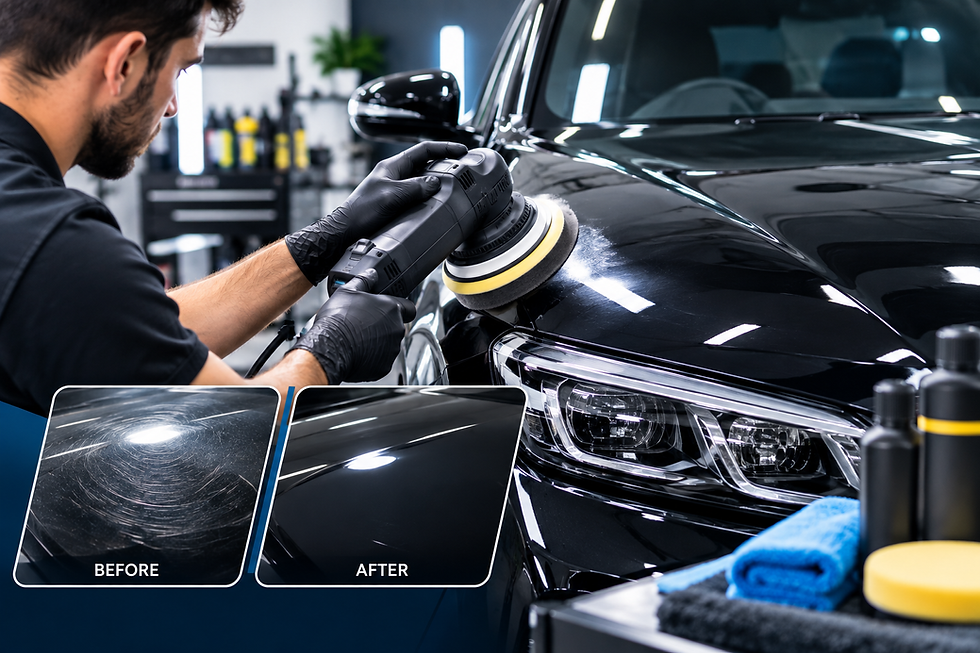
Paint Correction: If your car has scratches or swirl marks, consider doing a paint correction. This step ensures a smooth surface for the coating to bond.
Decontamination: Use a clay bar to remove embedded contaminants from the paint surface. This step is crucial for achieving a flawless finish.
Application: Apply the ceramic coating using a microfiber applicator. Work in small sections and follow the manufacturer's instructions for curing times.
Curing: Allow the coating to cure as per the instructions. This step is vital for achieving the best results.
Final Inspection: After curing, inspect the surface for any missed spots or imperfections.
Maintenance Tips for Ceramic Coated Cars
While ceramic coating is durable, it still requires some maintenance to keep it looking its best. Here are some tips to help you maintain your ceramic-coated car:
Regular Washing: Wash your car regularly using a pH-neutral car shampoo. Avoid automatic car washes with brushes that can scratch the coating.
Use the Right Tools: Use microfiber towels and soft wash mitts to prevent scratching the surface.
Avoid Harsh Chemicals: Stay away from abrasive cleaners or harsh chemicals that can damage the coating.
Top-Up with Spray Sealants: Consider using a ceramic spray sealant every few months to enhance the coating's longevity.
Store Indoors: Whenever possible, park your car in a garage or shaded area to protect it from the elements.
Common Myths About Ceramic Coating
There are several myths surrounding ceramic coating that can lead to misunderstandings. Here are a few common misconceptions:
Myth 1: Ceramic Coating is Scratch-Proof: While ceramic coatings are durable, they are not scratch-proof. They can still be scratched by abrasive materials.
Myth 2: No Maintenance Required: Some people believe that once a ceramic coating is applied, no maintenance is needed. Regular washing and care are still essential.
Myth 3: It Can Be Applied Over Any Surface: Ceramic coatings are designed for automotive paint. Applying them over other surfaces, like plastic or rubber, may not yield the desired results.
Cost of Ceramic Coating
The cost of ceramic coating can vary widely based on several factors, including the size of your vehicle, the quality of the product used, and whether you choose to have it professionally applied or do it yourself.
Professional Application: Expect to pay anywhere from $500 to $2,000 for a professional application, depending on the service provider and the level of detail involved.
DIY Kits: If you opt for a DIY approach, ceramic coating kits can range from $50 to $150. However, keep in mind that achieving professional results requires skill and experience.
Choosing the Right Ceramic Coating
Not all ceramic coatings are created equal. When selecting a product, consider the following factors:
Durability: Look for coatings that offer long-lasting protection, ideally lasting several years.
Ease of Application: Some coatings are easier to apply than others. If you are a beginner, choose a user-friendly product.
Brand Reputation: Research brands and read reviews to find a reputable product that meets your needs.
Conclusion: Shine On
Ceramic coating is an excellent investment for anyone looking to protect their vehicle's paint and maintain its appearance. With its numerous benefits, including durability, UV protection, and enhanced gloss, it is no wonder that more car owners are turning to this innovative solution.
By understanding the application process, maintenance requirements, and common myths, you can make an informed decision about whether ceramic coating is right for you. Whether you choose to apply it yourself or hire a professional, ceramic coating can help your car shine for years to come.



Comments